
Award-Winning Cosmetic Dentistry
Rebuild Your Jaw with Bone Grafting
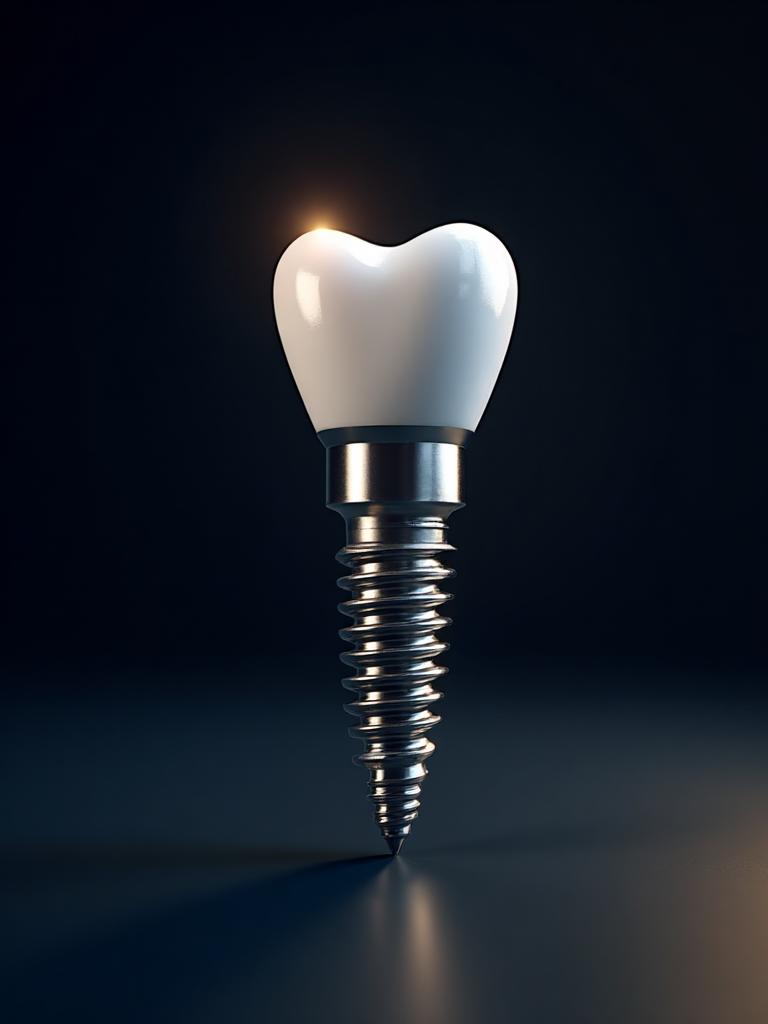
Bone Grafting for Dental Implants.
Book Your Consultation Today!
0% Finance Available
Free X-Ray Included
In-house Dentist
Why Choose Implants?
Bone Grafting at a Glance
Discover how bone grafting rebuilds lost jawbone structure, creating a strong foundation for dental implants and restoring your smile’s full potential.
Rebuild & Restore
Bone grafting restores lost bone volume, creating a solid foundation for future dental implant treatment.
Strength
Clinically Proven Technique
Bone grafting is a well-established and reliable procedure with a strong track record of successful outcomes.
Safety
Essential for Implant Success
Adequate bone density is critical for implant stability, and grafting ensures the conditions are right for placement.
Durability
Minimally Invasive Options
Modern bone grafting techniques are designed to be as minimally invasive and comfortable as possible.
Personalised Care
Preserves Facial Structure
By restoring bone volume, grafting helps maintain the natural contours of your jaw and facial appearance.
Quick Recovery
Expert Surgical Care
Our experienced team carries out bone grafting with precision and care to support the best possible outcomes.
Understanding Dental Bone Grafting
What Is Dental Bone Grafting?
A dental bone graft is a procedure required when the quality of the bone structure has be compromised. It's frequently performed before placing dental implants or when bone loss impacts the health of adjacent teeth.
This procedure may be advised if you:
Are having a tooth extraction
Need to rebuild the jaw for denture fitting
Have had bone loss due to gum disease
Your Journey
Bone Grafting Procedure
From assessment to complete healing, here’s what to expect during your bone graft journey with us.
Post Operation Care
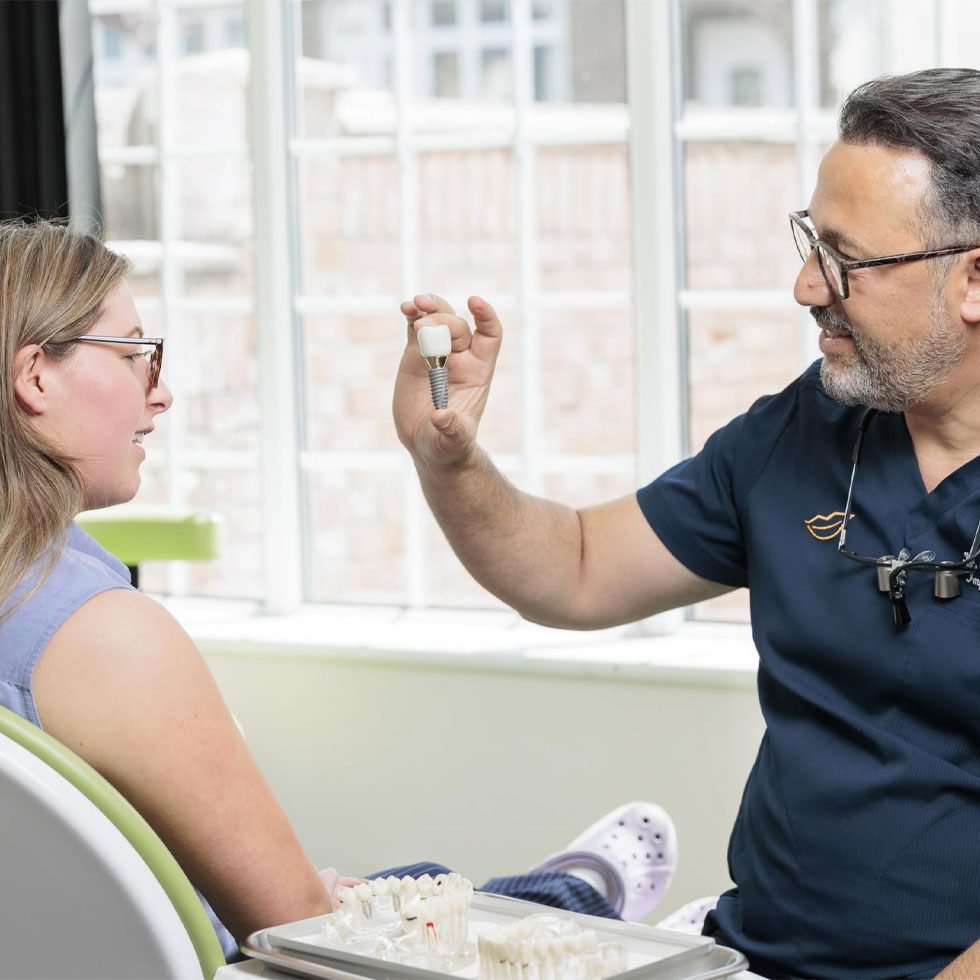
After the procedure, you will likely leave our clinic with gauze packed around the incision in your mouth. Instructions for changing the dressing and a prescription for antibiotics to prevent infection will be provided. Pain relievers, either over-the-counter or prescription, will help manage discomfort.
During the initial recovery phase, avoid:
Hot liquids, like coffee or soup.
Hard or crunchy foods, like nuts.
Activities that could impact the incision, such as contact sports.
After around 5-7 days, the pain should lessen, and your jaw should start to feel more normal after a few weeks. Full recovery and readiness for implants may take a few months, with periodic dental visits and X-rays to monitor healing.
Common reasons for needing a Dental Bone graft include:
Implants for Missing Teeth
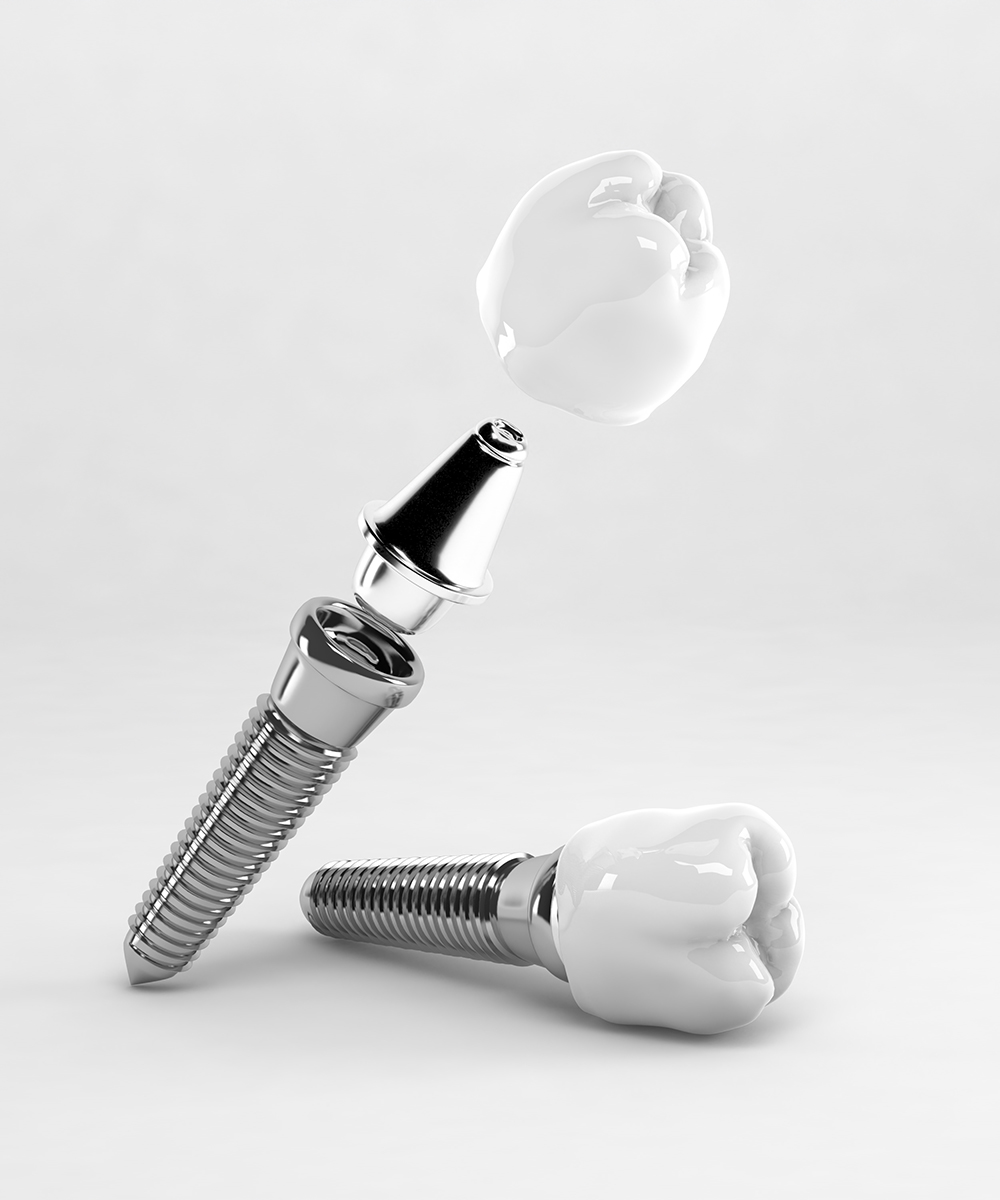
Individuals planning to receive dental implants for missing teeth may sometimes need bone grafts. Dental implants are artificial tooth roots made of titanium that are surgically placed into the jawbone beneath the gum line. Bone grafting provides a solid foundation for these implants.
Tooth Loss or Gum Disease:
Even without implants, a dental bone graft may be necessary to support areas of the jaw affected by gum disease. Stabilising the jaw can prevent further bone loss and associated health issues. Unmanaged gum disease can lead to more tooth loss and other health issues if not treated correctly, which is why it is always important to take good care of your oral hygiene and visit dental hygienists
Bone Loss
Bone grafts are also used to address jawbone loss that affects facial appearance. Loss of bone mass in the jaw can make the face appear shorter and cause the lower jaw to protrude. Proper bone structure supports the lips and surrounding muscles, preventing a wrinkled appearance around the jaw. Jawbone loss is more common in older adults but can occur at any age due to injury or infections.
Got Questions?
Frequently Asked Questions
Find answers to the most common questions about Bone Grafting.
Is a Dental Bone Graft Painful?
A dental bone graft is generally a minor procedure. During the operation you will be under local anaesthesia meaning that you should not feel any pain. Post-procedure pain is typically manageable with over-the-counter pain relievers.
What can I expect after the bone grafting procedure?
Most individuals can return to work or school the day after the procedure. However if you are experiencing too much pain or discomfort, a couple of additional recovery days at home might be necessary. If pain persists, make sure to contact us.
How long does the dental implant process take?
After the procedure, you may experience some swelling, bruising, and minor discomfort. These symptoms are normal and should subside within a few days. We will provide post-operative care instructions to help promote healing.
What are the risks associated with bone grafting?
Like any surgical procedure, bone grafting carries some risks, including infection, graft rejection, and complications at the graft site. However, these risks are relatively rare, and and we will take the necessary steps to help prevent these from happening.
Can I eat normally after a bone graft?
Following a bone graft, you will need to stick to a soft diet for a few days to avoid disturbing the graft site. Avoid hard, crunchy, or chewy foods until your dentist advises that it is safe to resume your normal diet.
How do I care for my mouth after a bone graft?
Maintain good oral hygiene by gently brushing your teeth and avoiding the graft site. Rinse with a saltwater solution or an antibacterial mouthwash as per the dentists instructions. Avoid smoking during recovery and follow all post-operative care instructions provided.
Is bone grafting covered by insurance?
Coverage for bone grafting varies depending on your dental insurance plan and the reason for the procedure. Some plans may cover part of the cost, especially if the graft is necessary for a medically required implant. It's best to check with your insurance provider for specific coverage details.